• E-mail
  • Facebook
  • Instagram
  • Twitter

YPF Trust | centre for Supplementary Education

Quality assurance for supplementary schools

  • About us
  • Contact
  • FAQ
  • Login
  • My Account
  • News
  • School directory
  • London Support
  • Training

Language GCSE exam entry 2018

January 30, 2018 By nrcadminse Leave a Comment

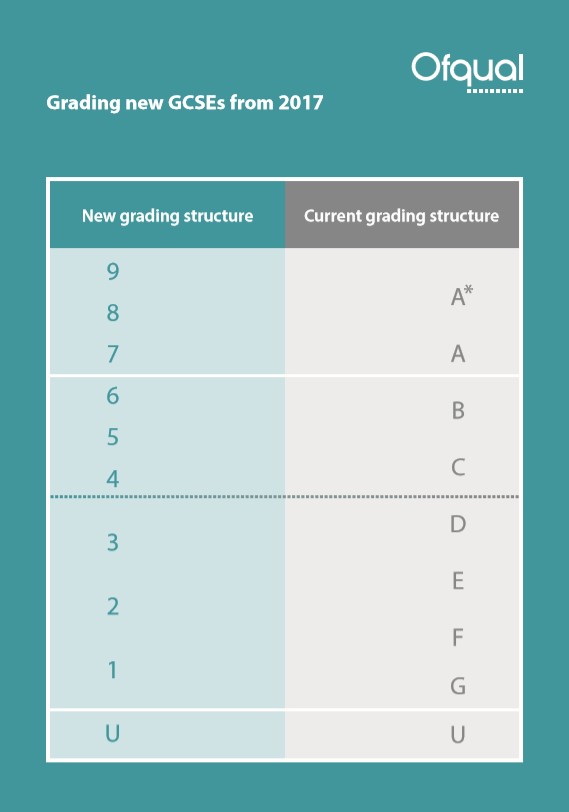
From 2018, learners taken GCSE exams for the first time in most subjects will have their GCSE results recorded using grades 9 to 1

For most languages, and for resits in all subjects, the existing GCSE structure will operate and the results will be recorded as A* to G

The differences between the old and new grading systems are not in themselves a reason to exclude languages from being taken until the reformed exam is introduced. Both are still GCSEs and will appear on students’ certificates. Further information is available on the Gov.uk website.

This has been confirmed by AQA as well as by Ofqual. If your pupils are finding it difficult to be entered for Arabic, Bengali, Chinese, Modern Greek, Gujarati, Italian, Modern Hebrew, Japanese, Panjabi, Persian, Polish, Portuguese, Russian, Turkish, Urdu there are a number of things you should do, immediately:

  1. Use the attached template letter to write to the mainstream schools your pupils attend (you will need to fill in relevant information about your language) which has been kindly provided by the Polish Educational Society.
  2. Contact the exam board to find out where they can take the exam.
  3. Let us know (by logging in and leaving a comment below or by emailing me  Pascale), NRCSE has been developing contacts with schools that will accept external entrants, we are also campaigning for more consistent information to be sent out to all language departments and for schools to understand the importance of facilitating access to language exams.

Filed Under: News Tagged With: community languages, language A levels, language exams, language GCSE, mother-tongue, new format GCSE

  • Quality assured members

Leave a Reply Cancel reply

You must be logged in to post a comment.

Are you looking for information about Supplementary Education? Type a keyword in the box below.

Subscribe to Centre for Supplementary Education

Not yet registered on the website? Sign Up

Sign in to Centre for Supplementary Education

Already registered on the website? Sign In

Training

Creative Teaching and Learning can transform the lives of young people.

Contact US

YPF Trust
105 Strand
London
WC2R 0AA

Email : mon@ypftrust.org.uk

Safeguarding

Legal requirements for supplementary schools or other out-of-school settings

What Supplementary Schools tell about us

I have to pass on a big thank-you and congratulations to Angela and to NRCSE. She has done a wonderful job that people certainly benefitted from. She really is putting in a lot of effort to tailor her sessions to us. But also she encouraged us to pull on our own strengths, and now probably we are ready to do so. But be assured, you won’t loose us as customers!

— Anke Friedrich

Supplementary Education

Supplementary education can be defined as all out-of-school learning provision.

Supported by

NRCSE sponsors

and the Coronavirus Community Support Fund, distributed by

NRCSE sponsors

and all our subscribing supplementary schools

Terms & conditions | Copyright © 2025 NRCSE